Day of the Dead and the bonds that endure despite the distance
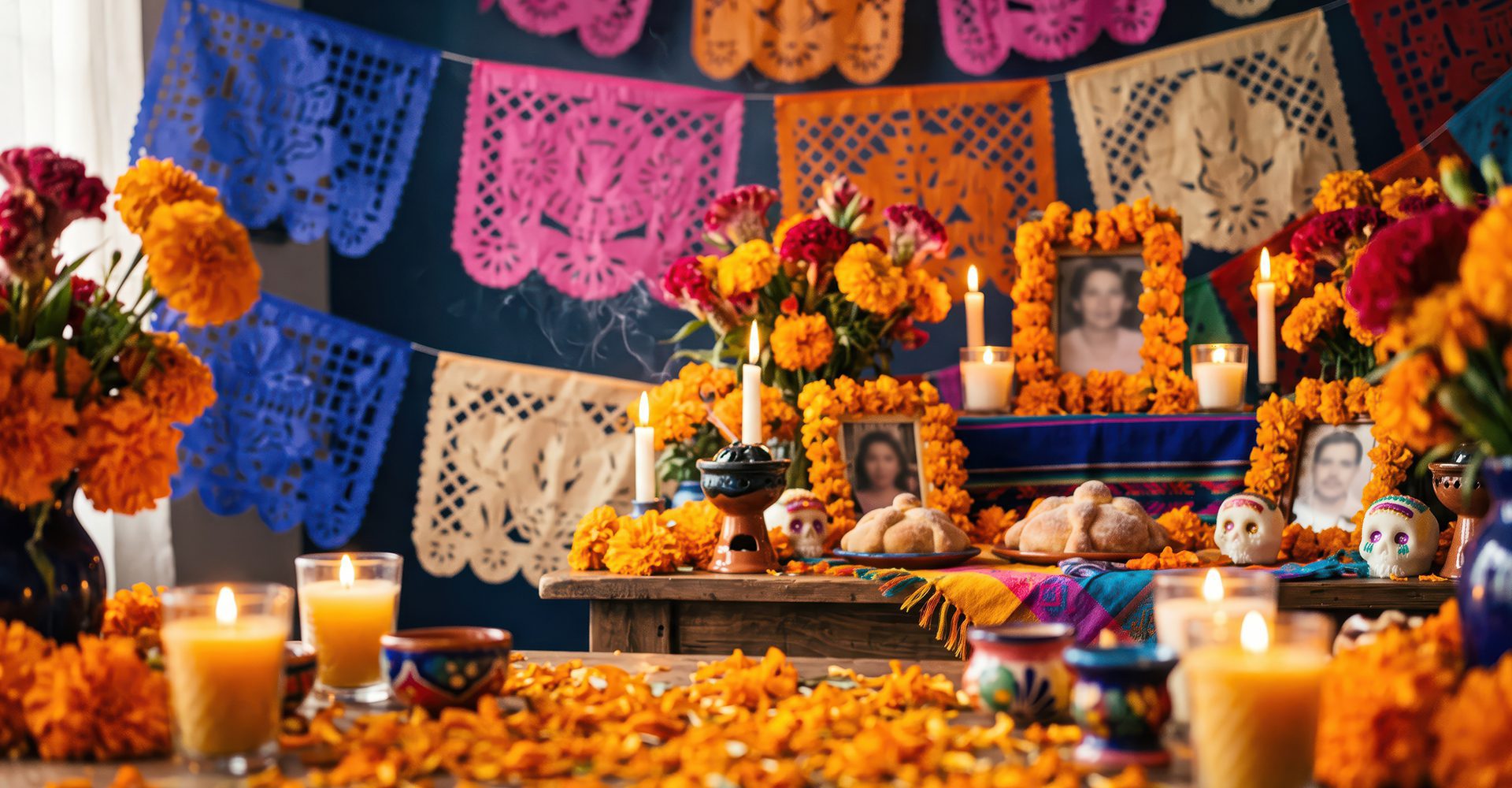
In Mexico, an ofrenda may hold a photograph, a glass of water and a favourite meal for someone who has died. Each item carries a family story. Day of the Dead brings together memory, community and personal ways of keeping loved ones present. This part of Mexican life may also accompany people working far from home, although every family observes the season in its own way.
An ofrenda built from memories
According to Mexico’s National Institute of Anthropology and History, an ofrenda brings together portraits, candles, water, food, marigolds known as cempasúchil and objects chosen by the family. In many homes, a photograph recalls the person; food evokes what they enjoyed; light and flowers symbolically guide their return, according to the tradition. There is no single way to prepare one: its size, dishes and gestures vary from region to region and from home to home.
What moves people is the attention given to someone in particular, not the number of decorations. A toy may recall a child; a recipe may bring several generations together in the kitchen. Preparing the ofrenda also creates time to talk, pass stories to younger relatives and keep memories close when daily routines leave little room for them.
Different days and ways to remember
Across much of Mexico, November 1 is dedicated to children who have died and November 2 to adults, although communities follow different calendars. Visit México includes October 27 as a day to remember pets. This is an increasingly familiar popular custom, rather than a rule observed throughout the country. Some families include photographs, toys or water to remember an animal that shared their home.
Guatemala also observes these days in remembrance of the dead, through its own traditions. Its Ministry of Culture and Sports documents how Sumpango and Santiago Sacatepéquez display or fly giant kites on November 1, All Saints’ Day. In those communities, the shared work of making the kites and the connection with ancestors give the observance a meaning of its own.
Culture travels with people working abroad
For someone working temporarily away from Mexico, the season may take a different shape. They might join a family call, see photographs of an ofrenda at home or prepare something that reminds them of loved ones there. They may also choose to mark the moment privately. Distance changes the gestures, but leaves room to maintain connections while building an experience in another country.
Away from Mexico, the season can also bring together people from different regions of the country. When they describe how an ofrenda is prepared in their community or which customs they learned at home, differences emerge that no single image of Day of the Dead can capture. That diversity is present in the people who arrive in another country with their skills, plans and personal histories.
Day of the Dead brings together memories that each family preserves in its own way. The tradition is part of a Mexico that lives in its people, at home and abroad. Getting to know someone also means recognizing, without assumptions, what matters to them.


