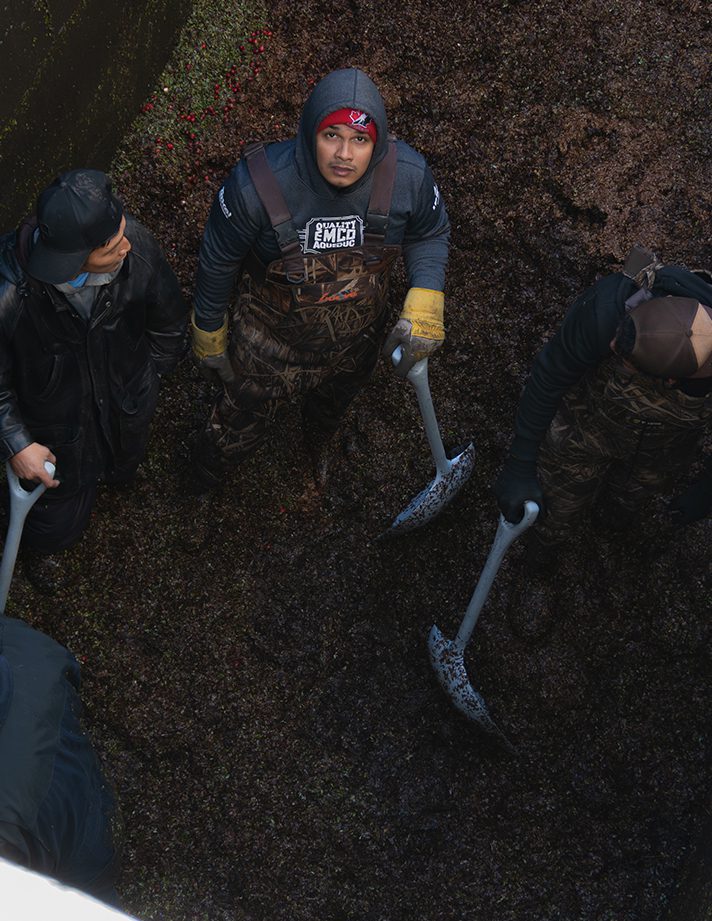
Latin American talent in the heart of the Old Port
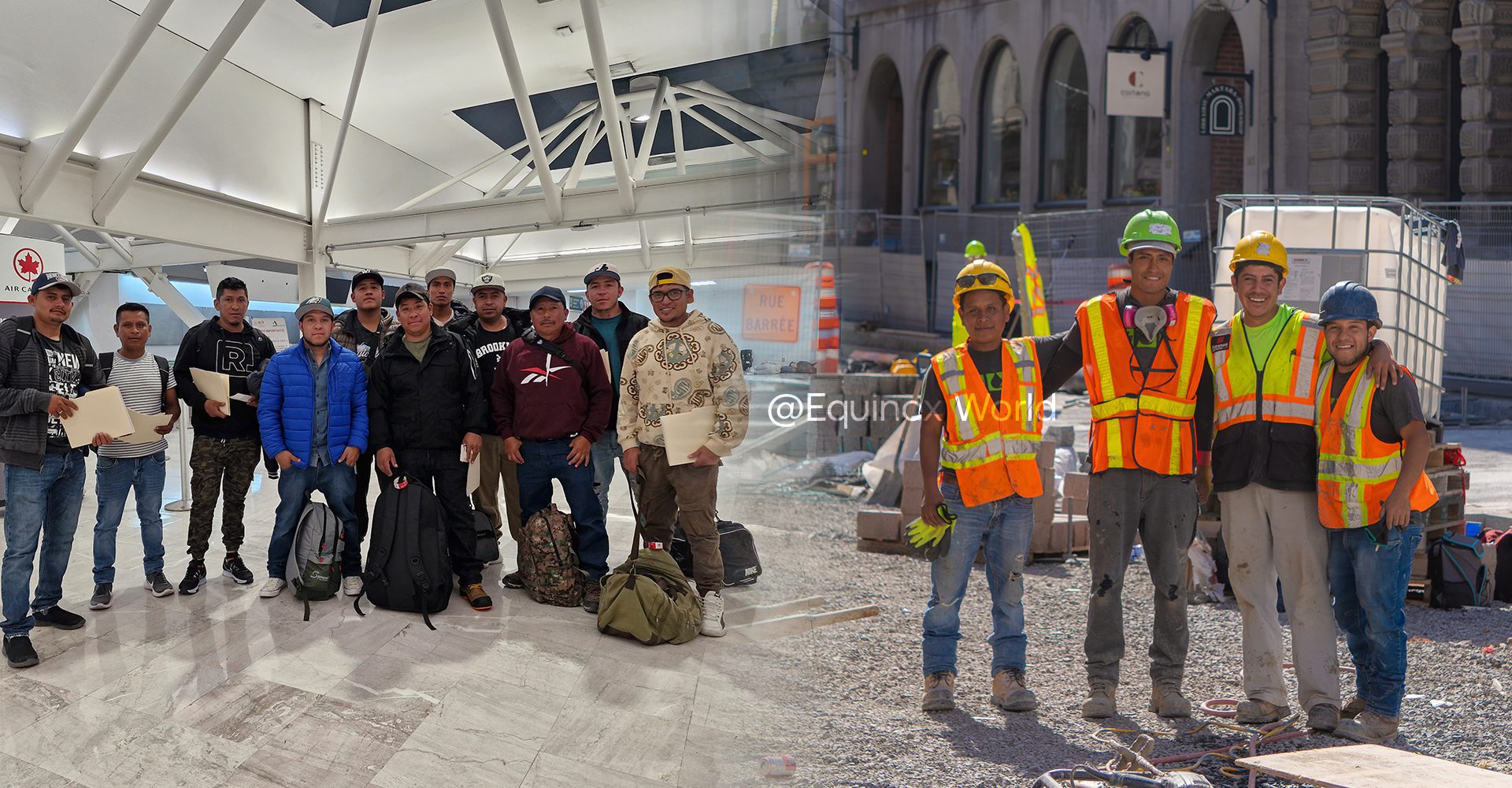
When a group of Latin American workers brought their labor force to the heart of Montreal’s historic port, a new chapter was added to the story of international labor integration and local economic development. In the iconic Old Port of Montreal, this initiative not only strengthened the operations of Les Aménagements Fleurs-O-Pavé, but also illustrated how well-managed labor migration can create value for both workers and Quebec’s economy.
From colonial docks to a new era of integration
The Old Port of Montreal traces its roots back to the 17th century, when in 1611 it was already used as a fur trading post along the St. Lawrence River. Over the centuries, it became one of Canada’s main commercial hubs. In 1859, the opening of the Victoria Bridge marked a turning point by integrating rail and maritime routes. The 20th century brought modernization of port infrastructure and, more recently, its transformation into a tourist, cultural, and recreational space. Today, the Old Port stands as both a historical heritage site and a laboratory for urban revitalization.
In this context, the participation of international workers in its beautification and maintenance is no minor detail—it is a concrete way of becoming part of Montreal’s living history.
Labor migration in action: when the world comes to Quebec
Hiring foreign workers in Quebec responds to a specific need: the shortage of qualified labor in key sectors. According to provincial labor authorities, the Temporary Foreign Worker Program allows companies to hire international staff when no local candidates are available. Within this framework, several Latin American countries have been prioritized for international recruitment.
The arrival of Latin American workers to the Old Port project represents an effective response to this structural challenge. Beyond the functional aspect, it also reflects a business vision centered on diversity, adaptability, and human development.
A team that builds landscapes—and belonging
For the company, integrating these workers meant not only expanding its operational capacity but also reaffirming a commitment to labor inclusion. In a sector that demands precision, physical work, and coordination, having cohesive teams—though culturally diverse—is a true strength.
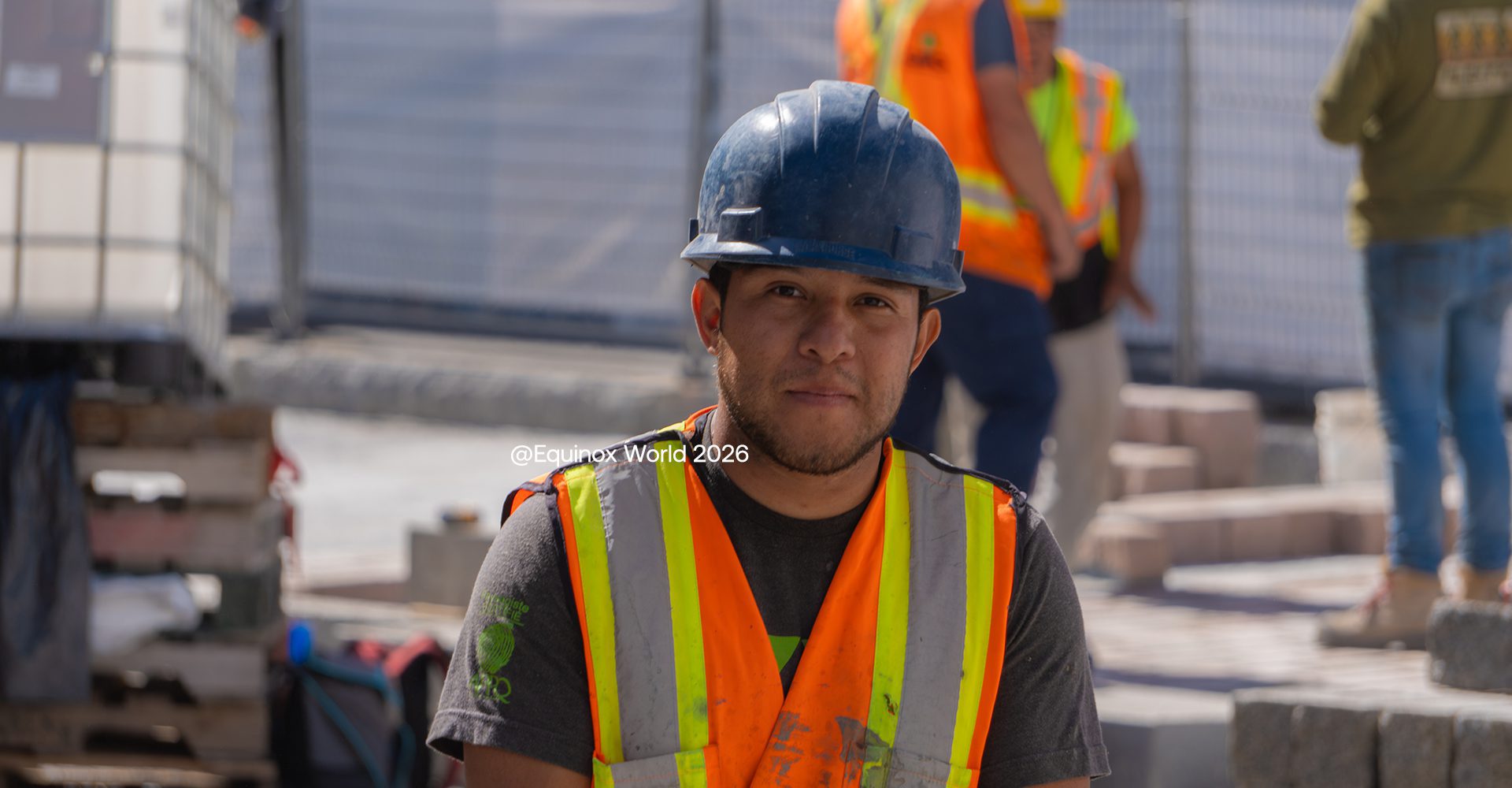
The Les Aménagements Fleurs-O-Pavé team accompanied this process with a medium-term vision: offering fair conditions, fostering intercultural communication, and creating a work environment where collective effort leads to tangible results for all.
The Old Port as a mirror of social change
The presence of these workers in such an emblematic space as the Old Port carries significance beyond the physical work itself. They are contributing to the maintenance and beautification of a site that embodies Montreal’s history, identity, and future. In doing so, they are also transforming their own stories, becoming part of a process of social and professional mobility that directly impacts their communities back home.
At a time when labor migration often sparks debate, these concrete examples offer a different narrative—one where work, dignity, and international collaboration meet at the heart of a city in constant renewal.
Bridges that transform: what this labor exchange between Latin America and Montreal leaves behind
That a group of Latin American workers recently participated in projects at Montreal’s Old Port is more than a labor anecdote. It is a testament to how history, migration, and local development intertwine. It is also an invitation to rethink the role of international work as a driver of integration and shared growth.
For Les Aménagements Fleurs-O-Pavé, for the workers, and for the city itself, this project proves that the value of work transcends borders when there is a will to build bridges—not walls.