When summer reaches its peak in Quebec
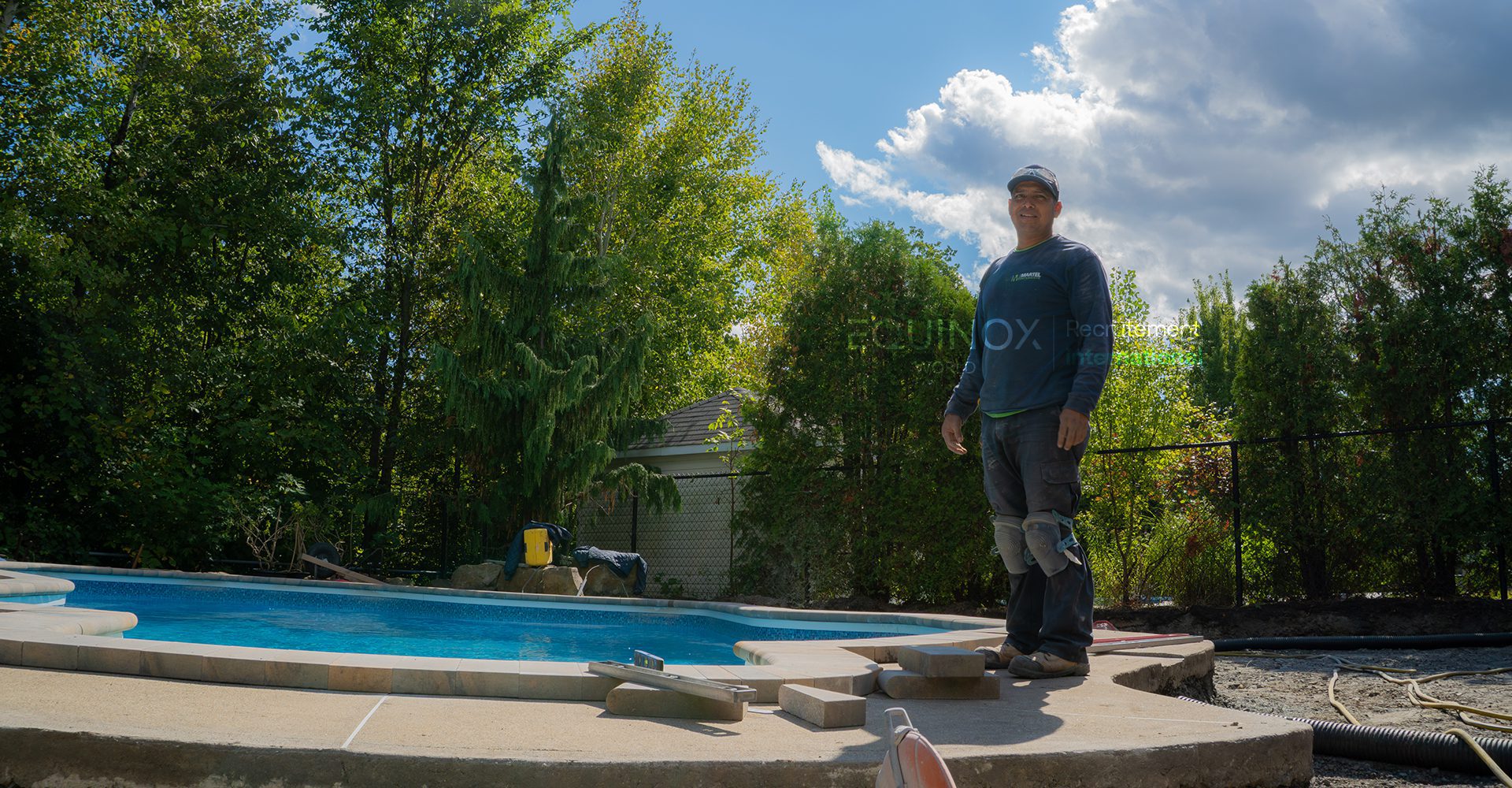
Summer brings productivity and movement, but it also demands attention. When heat combines with physical effort, work clothing, direct sun exposure and long shifts, it stops being a discomfort and becomes a real health risk. At the peak of the season, prevention can no longer be treated as a secondary detail.
What last summer left behind
On July 17, 2025, the temperature in Quebec reached 34.1 degrees with a humidex of 44, an anomaly of 15 degrees above what is normal for the date. It was a heat episode with an average recurrence of 110 years, an uncommon event from a climatological standpoint. Days like that are not an isolated anecdote, they signal the kind of extreme conditions that are showing up with increasing frequency during the summer season in the province.
For this year, the Government of Canada forecasts a hotter and drier summer than usual across much of the territory, which considerably increases the risk of heat waves. The official message is clear, this is not about anticipating a single day of extreme heat, but about preparing for an entire season where these conditions can repeat regularly.
The thermometer does not tell the whole story
In physical work, heat is not measured only by what the thermometer shows. It is recommended to assess risk by accounting for air temperature, relative humidity, sun exposure and the type of clothing worn, with precise corrections for each factor. When there is direct exposure to sunlight, for example, the corrected temperature can rise by up to 4.5 additional degrees for risk assessment purposes, a figure that completely changes the real reading of a work shift.
This explains why two workers can experience completely different conditions on the same day. Operating machinery in the shade is not the same as carrying materials under direct sun, and installing panels on an exposed roof is not the same as working at street level with some cover. Prevention begins precisely when that difference is recognized, because not all bodies react the same way and not all tasks generate the same level of effort.
Physical adaptation as a key factor of the season
One of the most underestimated factors of summer is heat acclimatization. The body needs, on average, five out of every seven days of consistent exposure to adapt properly to heat, provided the task and thermal conditions remain similar. That adaptation, moreover, begins to fade after just four consecutive days without exposure, which means even an experienced worker can return to a more vulnerable state after a short break.
For temporary foreign workers, this point deserves particular attention. Some arrive from warm countries, but that does not guarantee automatic adaptation to a Quebec working summer. Humidity can feel different, protective equipment adds to the heat load, and the kind of sustained effort required over many hours on a job site or a rooftop demands a real adjustment process that prior experience alone does not replace.
What changes the rhythm of a safe shift
It is recommended to drink at least one glass of fresh water every 20 minutes, even without feeling thirsty, and to postpone the heaviest tasks to the cooler parts of the day. Breaks should be taken in the shade or a cool spot, and their length should increase as the corrected temperature rises. These measures may seem simple, but their impact is significant, because having water available does little good if no one stops to drink it, and scheduling breaks loses its purpose if they happen under direct sun.
Sustaining the season without wearing people down
For many companies, July marks the moment of greatest operational pressure of the year. There are projects to move forward, clients to serve and seasons that cannot wait. But it is precisely in that context that prevention becomes a form of leadership rather than a limitation. An exhausted crew, or one exposed without clear measures, loses rhythm, makes mistakes and becomes more prone to incidents, while a well-organized team sustains the effort of the whole season far better.


