Working with green spaces in Quebec
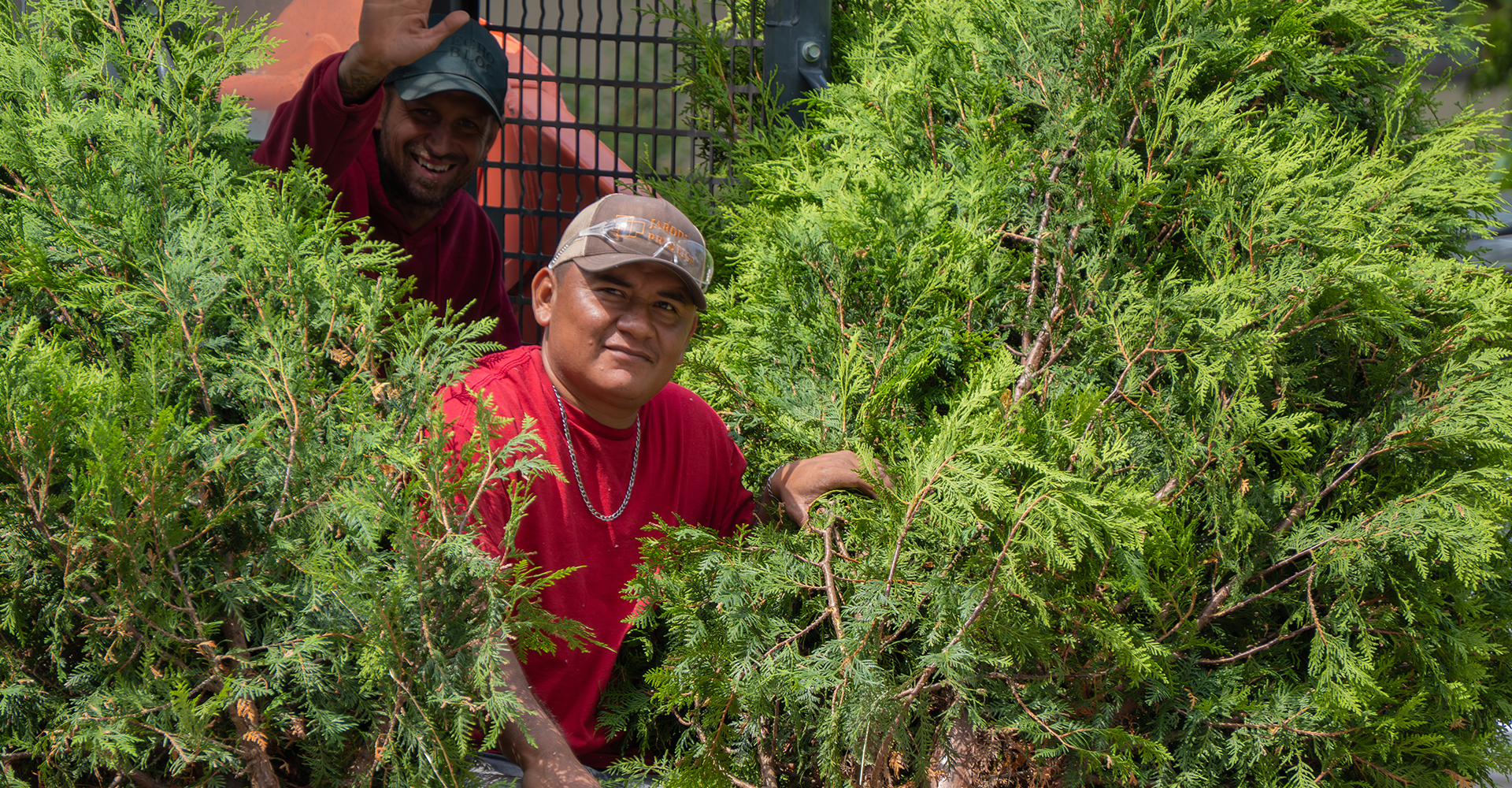
Working in landscaping in Quebec may seem, at first, like a natural continuation for those who already have experience in the trade. A landscaper who has worked for years in Mexico, Guatemala or other Latin American countries arrives with valuable knowledge: they know how to prune, maintain green spaces, install irrigation systems, handle tools, prepare gardens and work under the demands of an active season.
That experience matters, a lot. But once in Quebec, many discover that the trade changes. Not because they have to start from scratch, but because the climate, the plants and the work cycles completely transform the way landscaping is understood.
In Quebec, vegetation is shaped by long winters, below-zero temperatures and a warm season that must be used to its fullest. Maples, firs, pines, cedar hedges, resistant shrubs and cold-climate grass varieties are part of a plant palette that is very different from what many Latin American workers know. Some ornamental plants that are common outdoors in warm climates simply would not survive a single winter night in Montreal.
A short, intense and highly organized season
In Quebec, the landscaping season moves quickly. From the moment the ground thaws in spring until the first frosts of fall, companies concentrate a large amount of work into just a few months: property cleanups, maintenance, lawn installation, gardens, terraces, retaining walls, irrigation systems and preparation of outdoor spaces.
This pace requires productive, attentive teams that are able to adapt. For temporary foreign workers, it is an opportunity to demonstrate their experience, but also their willingness to learn local methods. In this sector, arriving with the right attitude and understanding that each stage of the season has its own priorities can make a real difference.
Grass, structures and climate
At first glance, mowing a lawn or installing a terrace may seem like a similar task in any country. However, in Quebec, every detail is shaped by the climate. Grass varieties must withstand low temperatures and require specific care depending on the time of year. Poor maintenance before winter can visibly affect the ground in spring.
The same applies to outdoor structures. Terraces, pathways, retaining walls and stone gardens must be installed while taking into account the freezing and thawing of the soil. A poorly prepared base, inadequate drainage or imprecise installation can lead to shifting, lifting or damage after winter.
That is why landscaping in Quebec combines technique, observation and respect for procedures. It is not only about making a space look good when the work is finished, but also about ensuring that it can withstand the conditions of the territory.
Adapting is also part of the trade
For employers, integrating temporary foreign workers into landscaping means relying on people who bring experience, energy and a strong work capacity during a demanding season. It also means supporting a technical and cultural adaptation: new species, new tools, new standards and a different way of organizing the work calendar.
For workers, this experience represents an opportunity for professional growth. Those who arrive with humility, attention and a willingness to learn are able to transfer their knowledge into a new context. Their previous experience is not lost; it becomes stronger when combined with the demands of Quebec’s environment.
Working with green spaces in Quebec means understanding that nature follows different rules. It means learning that winter must be prepared for months in advance, that every week of the season matters and that every garden reflects both technical knowledge and the ability of those who work on it to adapt.


