What separates a rushed hire from a well-built one
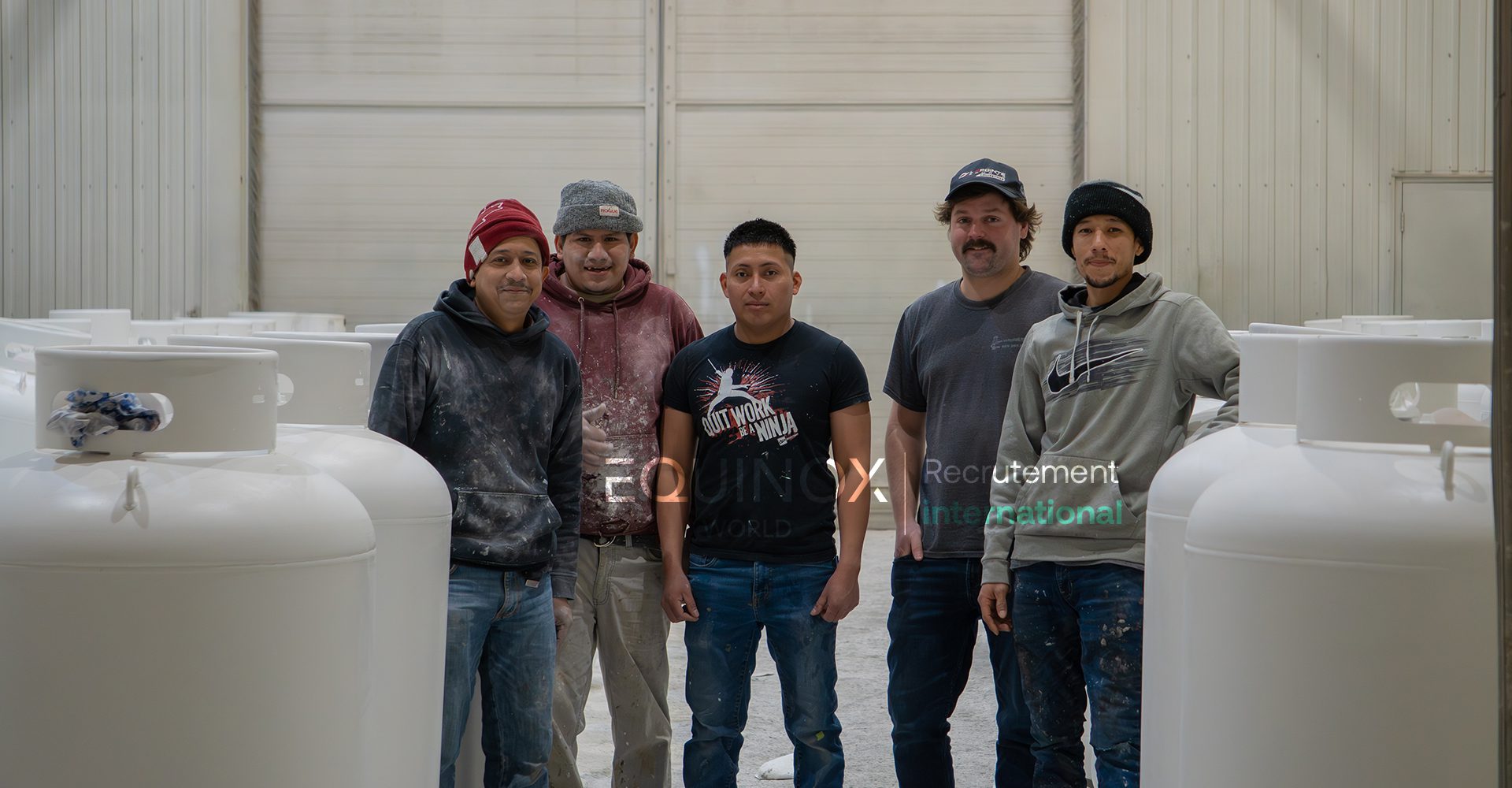
Companies that successfully integrate a temporary foreign worker tend to share one thing in common, they started preparing long before the candidate ever arrived in the country.
A well-defined role is the foundation of everything
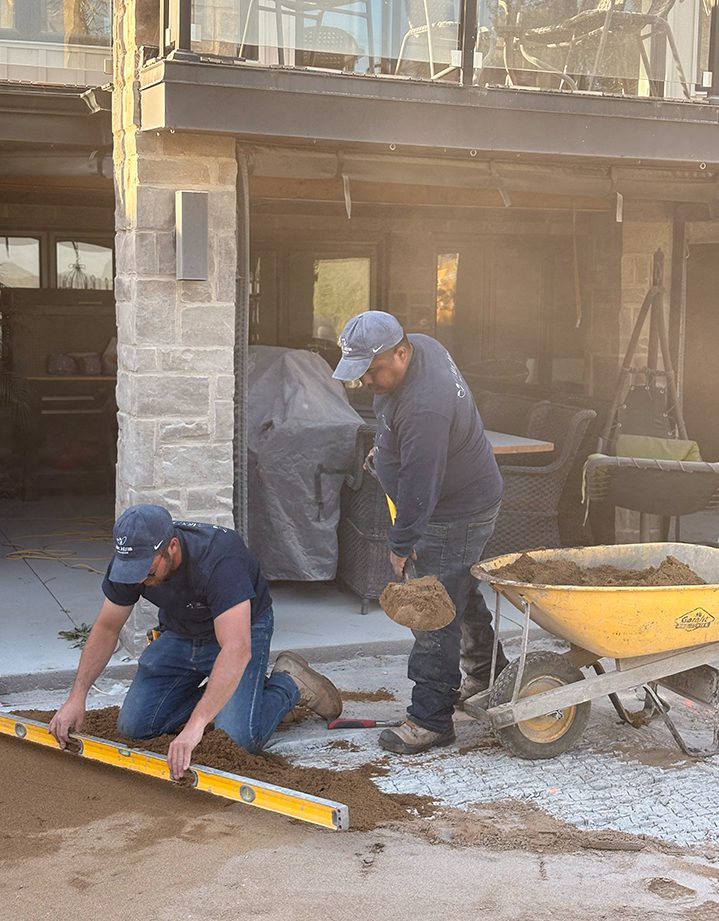
Before searching for candidates, companies with the strongest processes take the time to pin down exactly what kind of profile they actually need. Hiring for construction is not the same as hiring for landscaping, and within each sector the tasks, the tools and the physical demands of the work vary considerably. What are the main tasks, what experience is essential, will there be travel between job sites, and what level of language comprehension is needed to follow safety instructions are questions that, when answered honestly from the start, largely determine the success of everything that follows.
Some companies, aware of this gap, have started introducing basic Spanish among their local teams, while others develop bilingual signage or visual communication systems on site, recognizing that clarity does not rest solely on the worker learning French, but on both sides building a shared language together.
Documentation is not a separate step, it is part of the process
The work contract, the Labour Market Impact Assessment, the Quebec Acceptance Certificate where applicable, the work permit and the job offer all need to stay fully consistent with one another. What is declared in each document should never contradict what the worker finds upon arrival, because any gap between what is written and what is real can compromise the entire process.
Time, moreover, is one of the most underestimated factors. Processing timelines can vary from one month to the next depending on the volume of applications the government receives, which means companies that only start planning once the urgency is obvious risk running out of room to maneuver exactly when they need it most.
Preparing also means explaining
Once a candidate is selected, the work has only just begun. A temporary foreign worker needs to understand far more than the job description: what daily life will look like, what climate they will face, how housing works, what transportation they will use and who to turn to if a question comes up. That information, delivered early and clearly, reduces cultural friction and prevents misunderstandings that could otherwise turn into conflict during the season.
A candidate who arrives well informed holds realistic expectations. They know what to expect, what to prepare on their end and what responsibilities they are taking on, and that early clarity tends to translate directly into faster integration with the team.
Recruiting well means building a relationship, not filling a position
International recruitment is a valuable tool for many Quebec companies, but it works best when understood as a process that requires planning and transparency, not as an immediate fix. A successful process begins before the interview, because the interview can only be a good one if the need behind it is clear from the start.
Recruiting well is not about finding workers quickly. It is about building, from the very first step, a working relationship solid enough to carry an entire season.